How to Remove Efflorescence from Patios, Brickwork and Paving

How to Remove Efflorescence from Patios, Brickwork and Paving

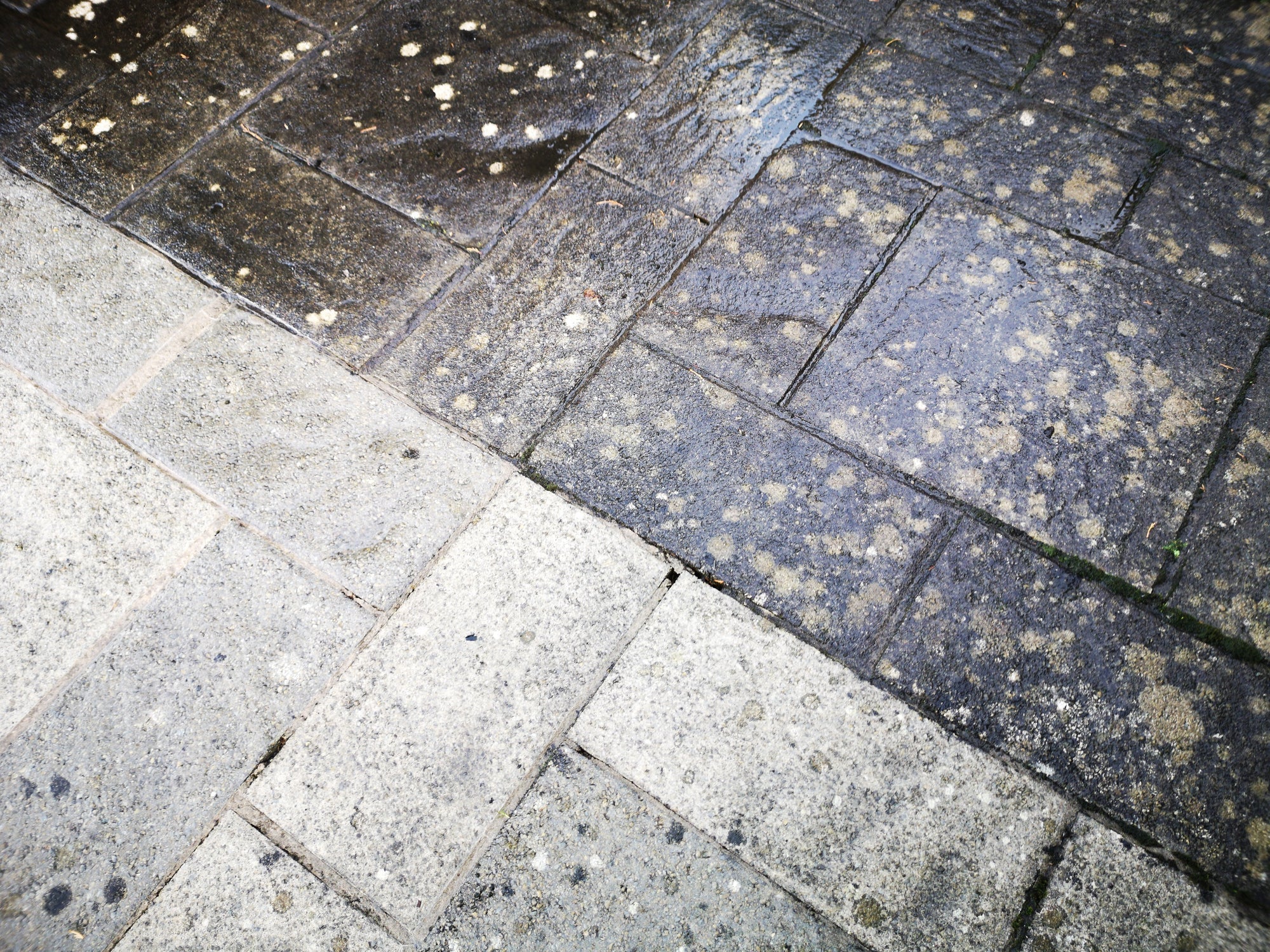
Efflorescence often appears without warning. One week your patio or brickwork looks clean and consistent in colour, and the next, a white powdery haze begins to form across the surface. It is especially noticeable after rain and tends to stand out more clearly on darker paving or freshly laid materials. For many homeowners, the immediate assumption is that something has gone wrong, that the patio has been installed incorrectly or that the white residue is permanent staining. In most cases, neither is true. Efflorescence is a common and natural process, particularly in the UK’s damp climate. Before looking at how to remove efflorescence, it’s important to understand what it is and why it appears in the first place. What Is Efflorescence? Efflorescence is the visible result of soluble salts moving through porous materials and settling on the surface. These salts are naturally present in cement, mortar, concrete, and even some types of natural stone. When moisture enters the material, typically from rain, ground moisture, or general humidity, it dissolves small amounts of these salts. As the water travels through the paving or brickwork and eventually evaporates, it leaves the salts behind. The white, chalky residue that remains is what we recognise as efflorescence. It usually looks like a fine powder or light haze across the surface. In some cases, it can form thicker patches or streaks, particularly where water movement is more concentrated. Where Efflorescence Commonly Appears Efflorescence can occur on a range of outdoor surfaces, but it is most commonly seen on: ·       Newly laid patios ·       Concrete slabs ·       Brick walls ·       Mortar joints ·       Freshly pointed paving New installations are particularly prone because the materials still contain higher levels of soluble salts. During the curing process, moisture movement is more active, increasing the likelihood of salts being drawn to the surface. Concrete paving is especially susceptible due to its cement content. Natural stone such as sandstone or limestone can also display efflorescence if moisture moves through the bedding materials beneath. In most cases, efflorescence is most noticeable within the first year after installation and gradually reduces over time as the salts are exhausted. Why Efflorescence Is So Common in the UK The UK climate creates ideal conditions for efflorescence to develop. Frequent rainfall, relatively mild temperatures, and extended periods of damp weather mean that paving and brickwork often remain moist for longer than they would in drier climates. Moisture is the key driver. The more water that passes through porous materials, the greater the opportunity for salt migration to occur. Autumn and winter are typically when efflorescence becomes most visible, as slower evaporation allows salts to accumulate more noticeably on the surface. It’s worth noting that efflorescence does not usually appear because of poor workmanship. In the majority of cases, it is simply a natural reaction between water and the materials used. Why Efflorescence Is Not a Structural Problem Although efflorescence can be unsightly, it is usually a cosmetic issue rather than a structural one. It does not mean the patio is unstable, nor does it suggest that the paving is defective. The presence of white salts on the surface indicates moisture movement, but this is not inherently damaging in most domestic installations. Over time, as the available salts diminish, the problem often reduces naturally. However, persistent or heavy efflorescence can sometimes signal excessive moisture retention. Poor drainage, compacted sub-bases, or continuous water exposure may prolong the issue. In those cases, managing moisture becomes an important part of long-term control. What Efflorescence Is Not Efflorescence is frequently confused with other types of white staining. It is not white lichen, which appears as small, circular patches and is organic growth rather than mineral residue. It is not mould or mildew. It is also not surface dirt that can simply be washed away with standard cleaning products. One of the risks of misidentification is using inappropriate treatments. Strong acid-based cleaners, for example, are sometimes applied in an attempt to remove white residue quickly. On natural stone, this can damage the surface, increase porosity, and potentially worsen future staining. Correctly identifying efflorescence as a mineral salt deposit ensures that removal is approached carefully rather than aggressively. The Role of Moisture Movement At the heart of efflorescence is one simple factor: moisture movement through porous material. The more freely water can travel through paving, the more likely salts are to reach the surface. This is why drainage, curing time, and environmental exposure all influence how visible efflorescence becomes. New patios, in particular, often experience this process as part of normal curing. Sealing too early can trap moisture inside the material, potentially prolonging the issue rather than resolving it. Once you understand that efflorescence is simply salt left behind as moisture evaporates, removing it becomes a controlled process rather than a guess. Removing efflorescence safely begins with recognising that it is a surface salt deposit, not embedded staining. Because it forms as moisture evaporates, the goal is to remove the residue without forcing more water into the material or damaging the surface beneath. Start with the Simplest Approach In many cases, the first step is to allow time for natural weathering. Efflorescence often reduces gradually as salts continue to migrate out of the material and are washed away by rainfall. This is especially true for newly installed patios or brickwork still going through the curing process. If the surface is fully dry, a stiff but non-abrasive brush can be used to remove loose salt deposits. It’s important that the area is completely dry before brushing. Brushing while damp can dissolve salts and draw them back into the pores of the stone, prolonging the issue. This dry-brushing method is often enough for light efflorescence and avoids unnecessary use of chemicals. When to Use a Specialist Efflorescence Cleaner If the white residue is heavier, patchy, or persistent, a specialist efflorescence remover may be required. These products are designed specifically to dissolve mineral salts without damaging paving materials. Before applying any treatment: ·       Ensure the surface is suitable for the product ·       Test on a small, inconspicuous area first ·       Follow the manufacturer’s dilution instructions carefully Most efflorescence removers require the surface to be lightly pre-wetted before application. After treatment, thorough rinsing is essential to remove dissolved salts and prevent them from drying back onto the surface. It is important to avoid generic brick acids or strong hydrochloric acid solutions unless the paving manufacturer confirms they are safe. Harsh acids can etch natural stone, alter colour, and increase porosity, which may lead to further salt migration later. Using a purpose-made cleaner ensures the salts are removed in a controlled way rather than aggressively stripped. What to Avoid Overly aggressive cleaning methods can do more harm than good. High-pressure washing can force water deep into the material, encouraging further moisture movement and future efflorescence. It may also erode jointing materials or damage softer stone surfaces. Sealing a patio while efflorescence is still active is another common mistake. Trapping moisture inside the slabs can prolong salt migration and cause recurring white patches beneath the sealer. The safest approach is measured and patient rather than forceful. Why Efflorescence Sometimes Returns It is not uncommon for efflorescence to reappear after initial cleaning. This usually indicates that salts are still present within the material and that moisture is continuing to move through it. On new patios, this process can last several months as the materials fully cure. In other cases, ongoing dampness caused by poor drainage, compacted sub-bases, or regular water exposure may be contributing to repeated salt migration. If efflorescence returns, it does not necessarily mean the cleaning was ineffective. It may simply mean that the material has not yet finished releasing residual salts. Preventing Future Efflorescence Long-term prevention focuses on managing moisture rather than repeatedly treating the surface. Ensure patios and paved areas have adequate drainage so water does not pool or sit for extended periods. Clear gutters and downpipes regularly to prevent overflow onto paving. For newly laid patios, allow sufficient curing time before applying sealers. Once efflorescence has naturally reduced, a breathable sealer may help limit moisture penetration while still allowing vapour to escape. Avoid overwatering nearby garden beds or allowing irrigation systems to splash directly onto paving. Regular light maintenance, sweeping debris, checking joints, and monitoring damp areas, helps reduce prolonged moisture retention. When to Seek Professional Advice If efflorescence is extensive, persistent, or accompanied by signs of damp elsewhere, professional assessment may be advisable. Specialists can determine whether the issue is simply cosmetic salt migration or linked to a broader drainage or moisture concern. They can also apply suitable treatments safely on delicate natural stone or heritage brickwork where inappropriate cleaning could cause irreversible damage. A Balanced, Informed Approach Efflorescence is one of the most common concerns for homeowners with patios or brickwork, but it is rarely a sign of serious structural failure. In most cases, it is a temporary cosmetic issue linked to natural moisture movement. By allowing time where appropriate, using specialist cleaners carefully, and improving moisture control around the property, efflorescence can be managed without damaging the surface. A patient, informed approach protects both the appearance and integrity of paving materials, ensuring that white salt deposits remain a manageable maintenance issue rather than a recurring frustration.
How to Get Rid of White Spots on a Patio

How to Get Rid of White Spots on a Patio

White spots on a patio often appear without warning. One week the paving looks consistent in colour, and the next, pale patches or chalky marks begin to stand out across the surface. They are particularly noticeable after wet weather and tend to show up more clearly on darker stone, where the contrast makes them difficult to ignore. The immediate reaction is usually to clean them off as quickly as possible. However, white spots are not always surface dirt. In most cases, they are the result of something happening within or on the stone itself. Before attempting to remove them, it’s important to understand exactly what you are dealing with. The correct solution depends entirely on the cause. The Three Main Causes of White Spots on a Patio White spots on patio slabs typically fall into one of three categories: efflorescence, white lichen, or mineral deposits from hard water. Although they can look similar at first glance, they behave differently and require different treatment approaches. Efflorescence Efflorescence is the most common cause of white staining on patios, especially on newer installations. It occurs when moisture moves through porous paving materials and carries soluble salts to the surface. As the water evaporates, it leaves behind a white, powdery residue. This is what creates the pale or dusty appearance across the slabs. Efflorescence often appears more prominently after rainfall, when moisture is drawn up through the stone and then dries out at the surface. It is particularly common on natural stone such as Indian sandstone or limestone, as well as on concrete paving. Cement-based bedding materials beneath the slabs can also contribute to the presence of soluble salts. While it may look concerning, efflorescence is not a structural fault. It is a natural chemical reaction between water and minerals within the materials. In many cases, it reduces gradually over time as the salts are depleted. White Lichen White lichen is different. Unlike efflorescence, it is not a mineral deposit but a living organism. It often appears as small, circular white or pale grey spots that feel slightly raised or textured. Lichen tends to grow in damp, shaded areas and can embed itself into the surface of natural stone. Over time, it becomes more firmly attached and may appear as distinct clusters rather than a broad haze. One of the key differences between lichen and efflorescence is that lichen cannot simply be brushed away when dry. It is bonded to the surface and requires treatment to break it down properly. Hard Water and Mineral Deposits A third cause of white spotting is mineral residue left behind by hard water. If patio slabs are exposed to repeated dripping from taps, irrigation systems, or overflowing gutters, minerals such as calcium can accumulate as the water evaporates. These deposits are usually more localised. They often appear beneath a consistent drip point or along the edge of a patio where water regularly splashes. The staining tends to be chalky and may build up gradually over time. Unlike efflorescence, which can appear across a wide area, hard water staining usually follows a clear water source. Why Some Patios Show White Spots More Clearly Not all patios display white spotting in the same way. Material plays a significant role. Natural stone and concrete are porous, meaning they allow moisture to travel through them. This movement of water is what enables efflorescence to occur. The more porous the material, the more noticeable the salt migration may be. Darker paving also highlights white residue more dramatically. A light haze that might go unnoticed on pale stone can appear striking on darker slabs. New patios are often more prone to efflorescence because the materials still contain higher levels of soluble salts. Over time, as these salts are gradually drawn out, the problem typically reduces. Porcelain paving behaves differently. Because it is far less porous, true efflorescence is less common. However, surface mineral deposits from hard water can still occur. What White Spots Are Not It is important to clarify what white spots usually do not indicate. They are not typically a sign of structural failure. They do not necessarily mean the patio has been laid incorrectly. In most cases, they are cosmetic rather than structural issues. However, misidentifying the cause can lead to inappropriate cleaning methods. Using strong acids on natural stone, for example, can damage the surface and increase porosity, making future staining more likely rather than less. The key to resolving white spots safely lies in identifying which of these three causes is affecting your patio. Once you can clearly distinguish between mineral salts, organic growth, or hard water deposits, the next step becomes much more straightforward, because each requires a slightly different removal approach. Once you’ve identified the cause of the white spots, choosing the correct removal method becomes far more straightforward. The key is matching the treatment to the problem, mineral salts require a different approach from organic growth, and both differ from surface-level water deposits. Removing Efflorescence Safely If the white spots are powdery, spread across a wider area, and most noticeable after rainfall, efflorescence is the likely cause. In many cases, the simplest solution is patience. Efflorescence often reduces naturally over time as soluble salts are gradually drawn out of the stone and washed away. This is particularly true for patios laid within the last year. If the residue is light, begin by allowing the surface to dry completely. Once dry, a stiff but non-abrasive brush can be used to remove loose powder from the surface. It’s important not to brush while the patio is damp, as this can push salts back into the stone. Where efflorescence is heavier or persistent, a specialist efflorescence remover designed for external paving may be used. These products are formulated to dissolve salt deposits without damaging the stone. Always: ·       Test on a small, inconspicuous area first ·       Follow dilution instructions carefully ·       Avoid applying in direct sunlight ·       Rinse thoroughly after treatment Generic brick acids or strong hydrochloric acid solutions should be avoided unless explicitly approved by the paving manufacturer. Harsh acids can etch natural stone and permanently alter its appearance. Removing White Lichen If the white spots are small, circular, and firmly attached to the surface, lichen is the likely cause. Because lichen is organic, brushing alone will not remove it effectively. Scraping can damage the surface without killing the organism beneath. Instead, apply a suitable biocide or organic growth remover designed for patios. These treatments work gradually by breaking down the lichen at a biological level. Results are not instant, the lichen will typically fade, dry out, and deteriorate over several days or weeks depending on conditions. Light brushing after treatment can help remove the weakened residue, but aggressive scrubbing should be avoided. Shaded and damp areas are more prone to lichen regrowth. Improving airflow and reducing moisture exposure will help prevent recurrence. Removing Hard Water and Mineral Deposits If the white staining is localised and appears beneath dripping taps, irrigation systems, or overflowing gutters, hard water deposits are likely responsible. The first step is addressing the water source. Repair leaking taps, adjust irrigation systems to prevent splashback, and ensure gutters and downpipes are functioning correctly. Without resolving the cause, mineral staining will continue to return. To remove the deposits themselves, use a mild descaling product suitable for natural stone or concrete. Again, always test a small area first. Avoid strong acidic cleaners that may damage the paving surface. After treatment, rinse thoroughly to prevent residue from drying back onto the slabs. Why White Spots Sometimes Reappear If white spots return after cleaning, this usually indicates ongoing moisture movement. Efflorescence may continue appearing on newer patios until the curing process is complete and soluble salts are exhausted. Poor drainage can prolong this process by allowing water to remain beneath the slabs. Lichen will return if damp, shaded conditions persist. Hard water staining will reappear if mineral-rich water continues to splash onto the same areas. Rather than repeatedly treating the surface, it is often more effective to address the environmental conditions encouraging the problem. Preventing White Spots in the Future Long-term prevention focuses on moisture management and sensible maintenance. ·       Ensure patios are laid with proper drainage so water does not pool ·       Avoid sealing newly laid patios until they have fully cured ·       Keep gutters clear to prevent overflow onto paving ·       Reduce irrigation splashback ·       Sweep regularly to prevent debris buildup For natural stone patios, sealing may be considered once efflorescence has naturally reduced. Sealing too early can trap moisture and worsen the issue. Light, routine maintenance is far more effective than aggressive, reactive cleaning. When to Consider Professional Help If white staining is extensive, deeply embedded, or affecting delicate natural stone, professional assessment may be worthwhile. Specialists can determine whether the issue is persistent efflorescence, embedded lichen, or mineral contamination and apply the correct treatment safely. This reduces the risk of surface damage and often produces more consistent results. A Balanced Approach Protects the Surface White spots on a patio are rarely permanent and are usually manageable once correctly identified. The most important step is avoiding harsh shortcuts that may damage the paving. By matching the removal method to the cause and improving moisture control around the patio, white spots can be reduced significantly, and often prevented from returning. With a measured approach, patios retain their colour, integrity, and appearance, even in challenging weather conditions.
How to Remove Roof Moss Safely and Protect Your Home

How to Remove Roof Moss Safely and Protect Your Home

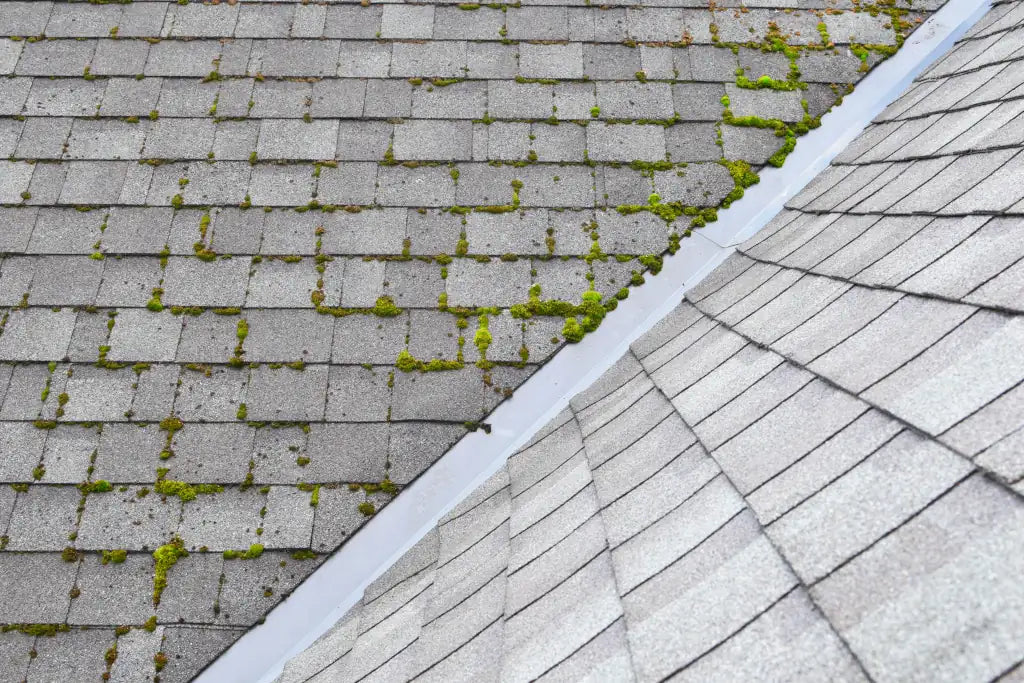
Roof moss is a common issue for homeowners across the UK, particularly in areas where damp weather and limited sunlight create ideal growing conditions. It typically appears as thick green or yellowish clumps spreading across tiles or slates, often more heavily on north-facing roof slopes that remain shaded for much of the day. While it can sometimes give a property a rustic appearance, moss on a roof is rarely harmless. Left unmanaged, it can affect not just how a roof looks, but how it performs. Many homeowners first notice moss when it becomes visibly thick or begins falling into gutters below. Others only become aware of it after spotting loose tiles, blocked drainage, or early signs of damp internally. By the time moss is clearly visible from ground level, it has usually been developing for some time. Understanding why moss grows, and how it affects roofing materials, is essential before deciding how best to remove it. What Is Roof Moss? Moss is a non-vascular plant, meaning it does not have a traditional root system. Instead of drawing nutrients from soil, it absorbs moisture directly from rainfall and the surrounding air. This allows it to grow on hard surfaces such as roof tiles, slate, brickwork and even concrete. Because it does not rely on roots, moss anchors itself into tiny surface imperfections. Porous materials, particularly concrete and clay tiles, provide an ideal texture for spores to settle and establish. Over time, these small colonies expand into dense patches that retain increasing amounts of moisture. Older roofs can be especially susceptible. As tiles weather naturally, their surfaces become slightly rougher and more absorbent. In rural or leafy areas where trees limit sunlight and shed organic debris, conditions are even more favourable for moss growth. Why Does Moss Grow on Roofs? Moss spores are airborne and constantly present in the environment. They settle wherever moisture lingers. Roofs that remain damp for extended periods provide a particularly attractive habitat. Several factors increase the likelihood of moss developing: ·       Overhanging trees that create shade and drop debris ·       North-facing slopes that receive minimal sunlight ·       Blocked gutters that allow water to sit near the roofline ·       Poor ventilation that slows drying ·       Porous tile materials that hold moisture The UK climate naturally supports moss growth. Frequent rainfall combined with relatively mild temperatures allows spores to develop steadily throughout much of the year. During autumn and winter, reduced daylight and lower evaporation rates mean roofs stay damp for longer after rain. One of moss’s defining characteristics is its ability to act like a sponge. It absorbs and retains water efficiently. While this helps it survive, it also keeps roof surfaces wetter than they should be, and that is where the real problems begin. How Moss Affects Roof Tiles At first glance, moss may appear to be little more than a cosmetic concern. In reality, its long-term impact can be far more serious. As moss thickens, it can begin to grow between tiles and beneath their edges. This gradual expansion can lift and dislodge tiles over time, creating small gaps where water can penetrate. Even slight movement in roofing materials increases the risk of water ingress during heavy rain. Retained moisture is another major concern. Because moss holds water against the surface of the tile, it prolongs damp conditions. In winter, this trapped moisture can freeze and expand. Repeated freeze-thaw cycles place stress on tiles, particularly older or more porous ones, increasing the likelihood of cracking or surface deterioration. In addition to physical damage, heavy moss growth adds weight to the roof. While the load may not seem significant at first, thick coverage across a large area can place unnecessary strain on tiles and supporting structures over time. Drainage and Gutter Complications Roof moss does not remain confined to the tiles themselves. As it dries or breaks away, it frequently falls into gutters and downpipes. Blocked gutters are one of the most common secondary issues associated with roof moss. When drainage systems become clogged, rainwater cannot flow freely away from the property. Overflowing gutters may allow water to run down exterior walls, potentially leading to damp patches or masonry damage. During colder months, trapped water in blocked gutters may freeze, causing additional strain on fittings and increasing the risk of cracking. These drainage problems often develop gradually, making them easy to overlook until visible damage appears. Is Moss on a Roof Dangerous? Moss itself is not toxic, but its presence is far from benign. Structurally, it increases the likelihood of tile movement, water penetration and long-term material deterioration. From a safety perspective, moss that falls from the roof can create slippery conditions on patios, paths and driveways below. There is also an aesthetic consideration. A roof heavily covered in moss can make a property look older and poorly maintained, which may affect kerb appeal and overall property value. While small patches may not seem urgent, widespread moss growth is rarely just a surface issue. The longer it remains in place, the greater the potential for damage beneath. Recognising how and why moss develops on a roof makes it much easier to approach removal carefully, choosing a method that protects the tiles while addressing the growth properly. Removing roof moss safely requires a considered approach. The method chosen should protect the tiles beneath while addressing not only the visible growth, but also the underlying spores that allow it to return. There are several ways moss is removed from roofs, but not all are equally suitable. The age of the roof, the type of tiles, and the thickness of the moss coverage all influence the safest and most effective option. Mechanical Roof Moss Removal One common method involves carefully removing the bulk of moss by hand using specialist scraping tools. When done correctly, this clears the heaviest growth without saturating the roof with excessive water. However, care is essential. Roof tiles, particularly older concrete or clay ones, can become brittle over time. Aggressive scraping may crack, chip, or dislodge them. Walking directly on fragile areas can also cause breakages. Mechanical removal addresses the visible moss, but it does not eliminate microscopic spores embedded in the tile surface. Without further treatment, regrowth is likely within months. Why Pressure Washing Is Often Risky Pressure washing is sometimes viewed as a quick solution. While it can dramatically improve appearance in a short space of time, it carries significant risks for many domestic roofs. High-pressure water can strip away the protective surface layer of tiles, increasing their porosity and making them more susceptible to future moss growth. It can also force water beneath tiles, potentially damaging underlay and membrane layers. In some cases, pressure washing accelerates deterioration rather than preventing it. There are also insurance and warranty considerations, improper cleaning methods can invalidate coverage on certain roofing systems. For these reasons, high-pressure washing is rarely recommended unless carried out under carefully controlled conditions by experienced professionals. Biocide and Roof Treatments A more controlled and longer-lasting approach involves applying a specialist biocide or roof treatment after the bulk moss has been removed. These treatments work by neutralising remaining moss spores and organic growth at a microscopic level. Rather than relying on force, they gradually break down residual growth over time. Rainfall then washes away the remains naturally. Biocide treatments also help prevent regrowth for an extended period. When combined with careful mechanical removal, they offer a balanced solution that reduces long-term maintenance demands. The Risks of DIY Roof Moss Removal Roof work always carries safety risks. Sloped, moss-covered surfaces are particularly hazardous to stand on. Without proper safety equipment and training, the risk of slipping or falling is significant. Beyond personal safety, DIY removal can unintentionally damage the roof itself. Using unsuitable tools, incorrect chemicals, or excessive pressure may cause harm that is not immediately visible but leads to problems later. Many homeowners are also unaware that inappropriate cleaning methods may void roof warranties or affect insurance policies. What begins as a cost-saving measure can sometimes result in expensive repairs. The Value of Professional Assessment In cases of moderate to heavy moss growth, professional assessment is often the most reliable option. An experienced inspection allows the condition of tiles, flashing, and drainage systems to be evaluated properly. The most suitable removal method can then be selected based on the roof’s age, material, and current condition. Successful long-term outcomes often come from combining gentle moss removal with targeted treatment and follow-up inspections. This reduces the likelihood of recurrence and allows minor roofing issues to be identified early. While professional services involve an upfront cost, they frequently prevent more significant repair expenses later. Preventing Roof Moss from Returning Removal is only part of the solution. Preventative care plays a crucial role in keeping roofs clear. Regular inspections, particularly in autumn and spring, help detect early signs of regrowth. Clearing gutters and downpipes ensures water drains away effectively, reducing prolonged dampness along the roofline. Trimming back overhanging branches increases sunlight exposure and airflow, allowing tiles to dry more quickly after rain. Improved ventilation across the roof surface further reduces moisture retention. Periodic application of a preventative biocide treatment can also discourage moss from re-establishing. Monitoring north-facing slopes more closely is advisable, as these areas tend to retain moisture for longer. Roof Moss on Older or Heritage Properties Older buildings often require additional care. Historic tiles may be more porous or fragile, making aggressive cleaning methods particularly unsuitable. Specialist guidance is important where heritage materials are involved. Preserving the integrity and character of older roofing systems requires a cautious, tailored approach rather than a one-size-fits-all solution. A Smarter Long-Term Approach Effective roof moss management is not a one-off task. It forms part of a broader maintenance strategy. Annual visual checks, consistent gutter cleaning, and sensible preventative treatments help keep growth under control. Addressing small patches early avoids the need for heavier intervention later. By combining careful removal with moisture management and regular monitoring, roof moss becomes manageable rather than problematic. With the right approach, your roof can remain structurally sound, visually clean, and better protected against the damp conditions that encourage moss growth in the first place.
How to Remove Moss from Patios, Paths and Outdoor Surfaces Safely

How to Remove Moss from Patios, Paths and Outdoor Surfaces Safely

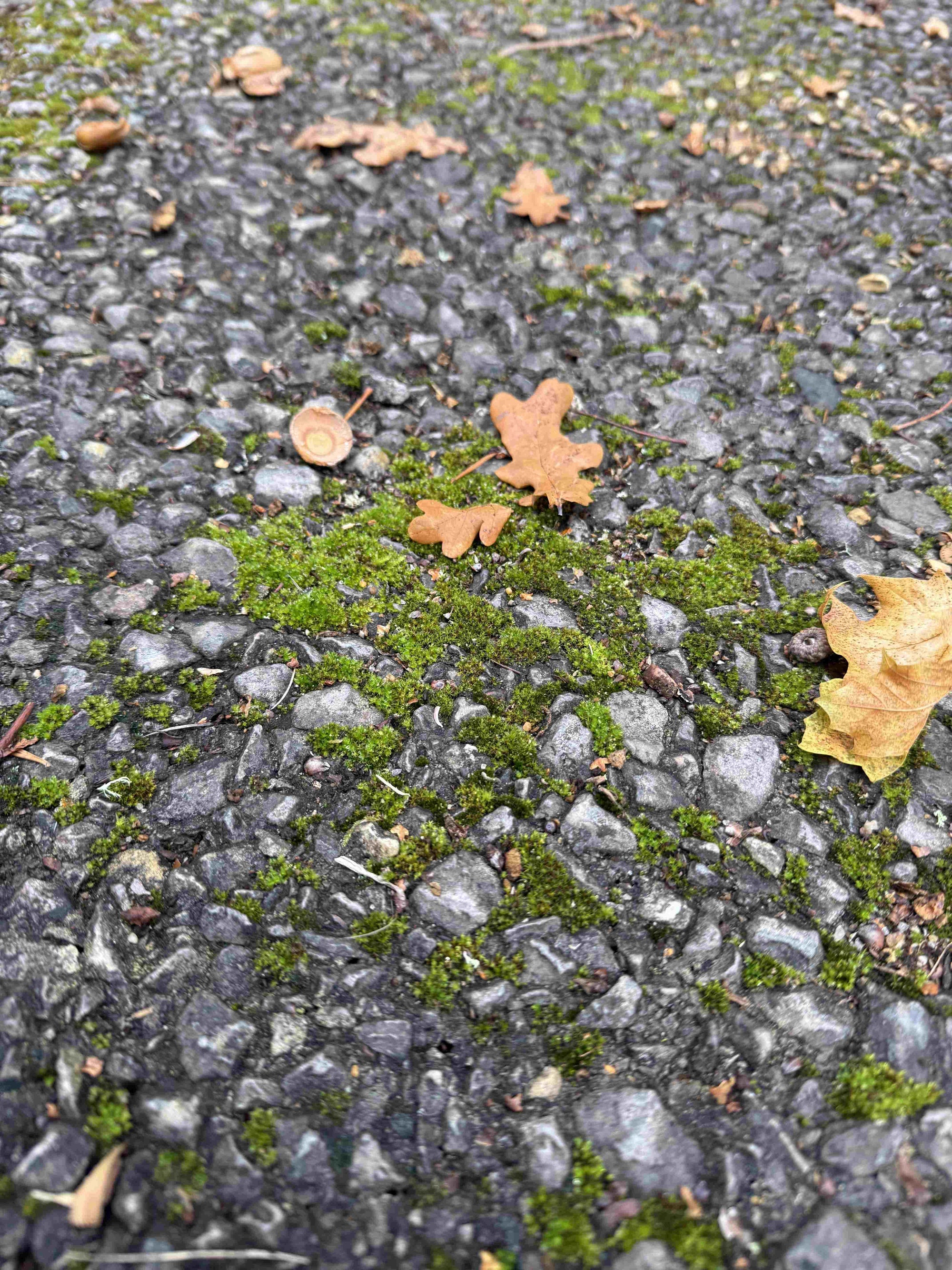
As the days become darker and outdoor surfaces stay wetter for longer, moss quickly becomes a common problem around the home. Patios that looked clean in summer begin to turn green. Paths feel damp underfoot. Steps and shaded corners develop thick patches that seem to appear almost overnight. When this happens, most homeowners ask the same question: how do you remove moss properly, and keep outdoor surfaces safe? Removing moss effectively starts with understanding why it grows and why it becomes such a problem during the colder months. Why Moss Grows on Hard Surfaces Moss thrives in damp, shaded environments. When patios and paths receive less sunlight during autumn and winter, moisture lingers on the surface for longer periods. If drainage is poor or water regularly pools in certain areas, conditions become ideal for moss to establish itself. Unlike most plants, moss does not have roots. It does not rely on soil beneath paving for nutrients. Instead, it absorbs water and nutrients directly from rain and moisture in the air. This allows it to grow on almost any hard surface, stone, concrete, brickwork, artificial grass, roof tiles, and even sports courts. Airborne spores are constantly present in the environment. Once they settle on a surface that remains damp long enough, growth begins. During warmer months, sunlight and faster evaporation help control this process. As winter approaches, reduced daylight and frequent rainfall create the perfect environment for moss and algae to spread more quickly. Why Moss Makes Patios Slippery Moss is not just an aesthetic issue. It presents a genuine safety concern. Acting like a sponge, moss absorbs and retains water. Even after rain has stopped, the surface beneath can remain damp. This trapped moisture reduces natural grip, particularly on smoother paving materials. In colder weather, lingering moisture can also contribute to icy patches forming more easily. Moss rarely appears alone. Green algae often develop alongside it, forming a thin film across the surface. This film can be difficult to see but becomes extremely slippery when wet. Many homeowners only realise there is a problem when their patio suddenly feels slick underfoot. Steps, slopes, and high-traffic paths are particularly vulnerable. Removing moss is therefore about more than improving appearance, it is about preventing slips and maintaining safe outdoor spaces. How to Remove Moss Effectively When considering how to remove moss, there are a few common approaches. Each has advantages and limitations, and choosing the right method depends on the severity of growth and the surface involved. Pressure Washing Pressure washing is often the first solution people consider. It can remove visible moss and surface dirt quickly, delivering immediate visual improvement. However, it can also be time-consuming and messy. Dirty water frequently splashes onto surrounding walls, windows, and garden features. More importantly, excessive pressure can damage certain types of paving over time, particularly softer natural stone. High-pressure cleaning may remove what is visible, but it does not always eliminate the microscopic spores that lead to regrowth. Without addressing the underlying moisture conditions, moss can return relatively quickly. Used carefully and occasionally, pressure washing can help restore appearance, but it is rarely the most efficient long-term strategy on its own. Manual Brushing and Scraping Another option is physically removing moss using a stiff brush or scraper. This can be effective for clearing thicker patches, especially in joints between slabs. The drawback is that it is labour-intensive and often only tackles the surface growth. It does not treat the invisible spores left behind. As a result, regrowth is common unless additional preventative measures are taken. Manual removal is often best used in combination with a treatment that deals with what remains after scraping. Spray-and-Leave Treatments A spray-and-leave moss remover offers a different approach. Rather than relying on force, these treatments work gradually to break down moss at a cellular level. Once applied, the solution begins weakening the moss. Green algae typically start to fade within a few days. Moss then begins to brown and dry out over the following week. Rain and natural weathering gradually wash away the dead material. Because this method works over time, it avoids the mess associated with pressure washing and reduces the risk of damaging the surface. It also reaches textured areas and tight joints that are difficult to clean manually. For many homeowners, this lower-effort, longer-lasting method provides a safer and more practical way to remove moss from patios, paths, and other outdoor surfaces. What to Expect After Treatment Moss removal is rarely instant. With a suitable treatment, visible improvements happen gradually. Algae may disappear within days, while moss typically begins to brown within three to seven days depending on weather conditions and thickness of growth. The gradual breakdown is often beneficial. It allows the surface to recover without the shock of aggressive cleaning and reduces the likelihood of damage. Patios, driveways, brickwork, artificial grass, and even sports surfaces can be treated effectively using the right product for the material involved. Removing moss successfully means more than clearing away green patches. It involves understanding how it grows, choosing the correct method, and taking a measured approach that protects both the surface and the safety of those using it. Even after moss has been removed successfully, it is common for homeowners to notice it gradually returning. This does not mean the treatment failed. Moss spores are always present in the air, and as soon as the right conditions return, growth can begin again. Moisture is the main trigger. If a patio or path remains damp for long periods, particularly in shaded areas, moss will eventually re-establish itself. Poor drainage, compacted joints, heavy leaf fall, and restricted airflow all contribute to surfaces staying wetter for longer than they should. Understanding this cycle is key. Removing moss deals with the visible problem. Managing moisture and environment prevents it from coming back. How to Stop Moss Growing Preventing moss growth is largely about reducing the conditions it depends on. One of the most important steps is improving drainage. Water should not sit on patios or paths after rainfall. Even small areas of pooling can provide enough moisture for spores to settle and develop. Ensuring paving has a slight fall so that water drains away naturally makes a significant difference. Keeping joints properly filled and clear also helps prevent water from collecting between slabs. Increasing sunlight exposure is another effective measure. Moss thrives in cool, shaded areas. Cutting back overhanging trees and hedges allows more natural light to reach hard surfaces, helping them dry more quickly after rain. Improved airflow further reduces lingering dampness, making the environment less suitable for moss to take hold. Regularly removing organic debris is equally important. Leaves, soil, and garden waste trap moisture against paving. When this material breaks down, it also provides nutrients that encourage growth. Sweeping patios and paths routinely prevents this damp layer from forming and denies moss the environment it needs. Applying a preventative spray-and-leave treatment during wetter months can also help. Rather than waiting for thick moss patches to develop, a preventative application limits regrowth at an early stage. This reduces the need for heavy cleaning later and keeps surfaces safer throughout the winter. Treating Moss on Artificial Grass and Other Surfaces Moss does not only grow on natural stone patios. Artificial grass, driveways, brickwork, and sports surfaces such as tennis courts can also be affected. Artificial grass is particularly vulnerable in shaded gardens. While the fibres themselves do not absorb water like stone, debris and compacted areas beneath the surface can hold moisture. Moss often develops along edges, in corners, or in areas where airflow is restricted. A suitable moss treatment can be applied directly to artificial grass. Within a few days, the moss typically begins to brown and dry out. Natural weathering gradually breaks it down further. Light brushing afterwards helps restore the appearance of the fibres and improves airflow, reducing the likelihood of recurrence. Sports surfaces benefit from the same approach. Moss and algae reduce grip, increasing the risk of slips during wet conditions. Regular inspection and preventative treatment help maintain both safety and performance. Why Patios Feel Slippery in Winter Many homeowners first notice moss because their patio becomes slippery. However, the slippery feeling often begins before thick moss is visible. Green algae form a thin film across damp surfaces, particularly during autumn and winter. This film can be almost invisible but significantly reduces traction when wet. Combined with moss and lichen, it creates a slick layer that increases the risk of slips on steps, slopes, and high-traffic areas. Lower temperatures slow evaporation, meaning patios remain damp for longer after rainfall. Even light moisture can reactivate organic growth and restore that slippery surface. Addressing moss and algae early in the season prevents surfaces from reaching this hazardous stage. A Practical Maintenance Approach Rather than relying on occasional heavy cleaning, a consistent and measured approach delivers better long-term results. Applying a preventative treatment in early autumn prepares patios and paths for the wetter months ahead. Monitoring shaded areas during winter allows small patches of growth to be treated before they spread. In spring, a light refresh removes any remaining residue and restores the surface’s natural appearance. Avoiding excessive pressure washing is also important. While it can improve appearance quickly, repeated high-pressure cleaning may weaken some surfaces over time. Consistency and prevention are more effective than force. Why Moss Is So Resilient Moss belongs to the plant classification Bryophyta and is one of the oldest plant groups on Earth. It has evolved to survive in challenging environments, which explains why it can feel so persistent around the home. Unlike most plants, moss does not rely on roots. It absorbs moisture and nutrients directly from its surroundings. This allows it to grow on stone, brick, roof tiles, and other hard surfaces with minimal requirements. Moss can survive in extreme climates. Some species endure intense heat, while others withstand freezing conditions in mountainous regions. During drought or extreme cold, moss can enter a dormant state. Once moisture returns, it rehydrates and resumes growth. Its sponge-like structure allows it to retain significant amounts of water. On roof tiles, this moisture retention can contribute to damage during freezing conditions, as trapped water expands and places stress on the surface. These characteristics highlight why moisture management is central to controlling moss. Removal is important but reducing dampness and limiting favourable conditions provide longer-lasting protection. A Smarter Way to Remove Moss Successfully removing moss is not about a single clean. It is about understanding how it grows, choosing an appropriate method, and maintaining surfaces consistently. Pressure washing may offer quick visual improvement, but a more balanced approach often delivers longer-lasting results. Spray-and-leave treatments work gradually and safely. Improving drainage, increasing sunlight, and removing debris reduce the conditions that encourage regrowth. When these measures are combined, moss becomes manageable rather than frustrating. With the right approach, patios, paths, artificial grass, and other outdoor surfaces can remain cleaner, safer, and more visually appealing throughout the year, even during the wettest months.
Proud to be a Which? Trusted Trader

Proud to be a Which? Trusted Trader

Patio Black Spot Removal Company LTD Approved as a Which? Trusted Trader
Which patio cleaner to use on Limestone?

Which patio cleaner to use on Limestone?

Use the Patio Black Spot Remover for Natural Stone supplied by the Patio Black Spot Removal Company. This powerful patio cleaner for limestone will restore the vibrant colours of limestone that dull over time.
How to clean York Stone

How to clean York Stone

York stone is a type of Sandstone (natural stone) that comes from Yorkshire in the United Kingdom. Like all other sandstone, York stone is sedimentary.  Known for its buff colours and durability, it is very popular with homeowners in their gardens.
How to clean Porcelain Tiles?

How to clean Porcelain Tiles?

How to clean Porcelain Tiles? When it comes to choosing the perfect material for your outdoor space, porcelain patios are quickly becoming a top contender for homeowners across the UK.
How to Remove Black stains from Indian Sandstone Patio

How to Remove Black stains from Indian Sandstone Patio

Have you recently laid an Indian Sandstone patio, only to find unsightly black stains taking over? You're not alone. These stubborn marks are one of the most common complaints we hear from customers