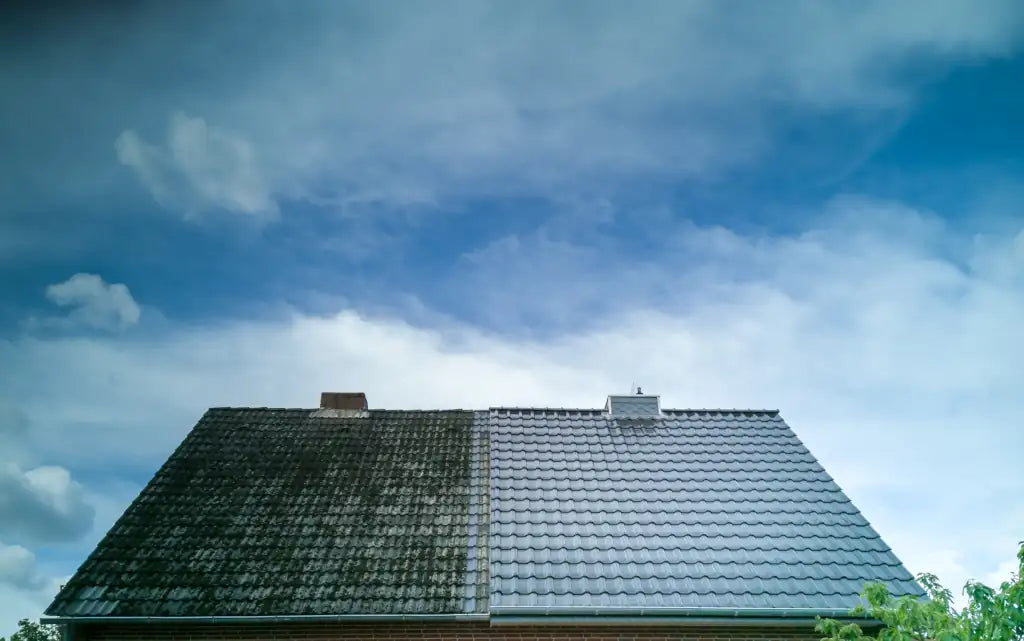

How to Clean Indian Sandstone Patio
Indian sandstone patios are a popular choice for outdoor spaces across the UK, thanks to their natural colour variation and timeless appearance. They can completely transform a garden, creating a warm, welcoming area that feels both practical and premium.
However, many homeowners soon discover that keeping sandstone looking its best requires a different approach from other paving materials. Understanding the best way to clean Indian sandstone starts with recognising that this is a natural stone, not a manufactured surface, and it needs to be treated accordingly.
Why Indian Sandstone Needs a Gentler Cleaning Approach
Indian sandstone is formed naturally over time and has an open, porous structure. This means it readily absorbs water, along with any organic material or minerals carried within it.
Because of this porosity, sandstone behaves very differently from porcelain or concrete. While those materials tend to keep dirt on the surface, sandstone allows moisture and spores to settle deeper within the stone. This is why cleaning Indian sandstone patio surfaces often requires more than a quick wash to achieve lasting results.
Why Pressure Washing Can Damage Sandstone
Pressure washing is often seen as the quickest solution for patio cleaning, but it can cause long-term harm to Indian sandstone. High-pressure water, particularly from petrol or diesel-powered washers above 1800 PSI, can break down the stone’s surface over time.
This process, known as delamination, causes the sandstone to flake, crack, or lose its natural texture. Instead of solving the problem, repeated pressure washing actually weakens the stone and makes it more prone to staining. For anyone wondering how to clean sandstone patio surfaces safely, relying on pressure alone is rarely the right answer.
What Actually Makes Indian Sandstone Look Dirty
Sandstone patios don’t usually look dirty because of mud or general grime alone. The most common causes are organic growth such as black lichen, green algae, and deeply ingrained dirt that settles into the pores of the stone.
These organisms are carried by the air and thrive in damp conditions, especially in shaded or north-facing areas. Over time, they feed on minerals within the stone, particularly iron, which leads to dark staining that cannot be removed with surface cleaning alone. This is why many homeowners struggle to clean Indian sandstone using traditional methods.
Why Traditional Cleaning Methods Often Fail
Scrubbing, jet washing, and household cleaners tend to focus on what can be seen on the surface. While this may improve the appearance temporarily, it does nothing to address what is happening inside the stone.
Because sandstone absorbs moisture and spores, surface cleaning alone allows organic growth to return quickly. This cycle leaves patios looking dull and patchy, even after repeated effort. Effective Indian stone cleaning requires a method that works within the stone rather than against it.
Why Indian Sandstone Stains More Easily Than Other Paving
Compared to denser paving materials, sandstone shows marks more readily. Water, soil from plant pots, fallen leaves, and fertiliser residues can all contribute to staining, particularly if they are left to sit on the surface.
Lighter-coloured sandstone tends to show these marks more clearly, which can make patios appear dirtier than they really are. Understanding how sandstone reacts to its environment helps set realistic expectations and explains why cleaning sandstone patio surfaces should be approached with care rather than force.
Rethinking How Sandstone Should Be Cleaned
The key to keeping Indian sandstone looking good is shifting away from aggressive cleaning methods. Instead of trying to blast dirt away, the focus should be on treatments that break down organic growth safely and allow the stone to recover naturally.
This approach preserves the stone’s texture, colour, and integrity while delivering more consistent results. When homeowners learn how to clean Indian stone paving properly, they often find that less effort is required overall and the patio stays cleaner for longer.
Setting the Right Expectations for Sandstone Care
Indian sandstone is not fragile, but it does need respect. It is designed to age naturally, developing character over time, but that process should not be accelerated by harsh cleaning techniques.
With the right approach, it is entirely possible to clean Indian sandstone and restore its natural colour without damaging the surface. By understanding how the stone behaves and why certain methods fail, homeowners can make informed decisions that protect their patio investment for years to come.
The Best Way to Clean Indian Sandstone Patios
Once you understand how Indian sandstone behaves, cleaning it becomes far less daunting. The most effective approach is not about force or repeated scrubbing, but about using a method that works with the stone’s natural properties rather than against them.
The best way to clean Indian sandstone is to use a treatment that breaks down organic growth within the stone itself. This allows dirt, algae, and black lichen to release naturally, restoring the stone’s colour without stripping its surface or damaging its texture.
How to Clean Indian Sandstone Patio Surfaces Properly
When people ask how to clean Indian sandstone patio areas safely, the answer lies in patience and the right product rather than aggressive tools. A product designed specifically for sandstone targets the organic growth that causes most staining, instead of just masking the problem.
As the treatment works, the patio gradually begins to brighten as green algae disappears and dark staining fades. The transformation often looks dramatic, but it happens without the need for heavy pressure washing or abrasive scrubbing, which is exactly what sandstone responds best to.
Why Product-Led Cleaning Works Better Than Pressure
Pressure washing focuses on removing what you can see, but sandstone problems usually sit deeper than the surface. By forcing water into the stone, pressure washing can actually worsen staining over time by increasing porosity and encouraging further growth.
A product-led approach allows the stone to clean itself from the inside out. This is why cleaning Indian sandstone patio surfaces with specialist treatments often delivers longer-lasting results and reduces the need for repeated cleaning.
What to Expect When Cleaning Older vs Newer Sandstone
Not all sandstone patios respond in the same way. Newer patios, particularly those laid within the last six or seven years, often clean up very well with a single treatment because the stone has not yet weathered deeply.
Older patios may need a little more attention. Years of exposure can increase porosity, meaning organic growth has had more time to embed itself. Even so, it is still possible to clean Indian sandstone effectively, and many older patios respond beautifully once the underlying growth is broken down.
Why Scrubbing and Household Cleaners Cause Problems
It’s understandable to reach for household cleaners or stiff brushes when a patio looks dirty. Unfortunately, these methods rarely address the real cause of staining on sandstone.
Household cleaners tend to focus on surface dirt, while scrubbing can damage the stone’s natural finish. Over time, this leads to uneven colour, dull patches, and faster regrowth of organic stains. Effective Indian stone cleaning avoids abrasion and instead relies on treatments that respect the stone’s structure.
Keeping Indian Sandstone Looking Like New
Cleaning sandstone is only part of the picture. Long-term care plays an equally important role in keeping patios looking fresh and well maintained.
Once a patio has been restored, a preventative approach helps stop black and white spots and algae from returning. Using a spray-and-leave preventative treatment annually creates a protective barrier that discourages organic growth without sealing the stone or trapping moisture.
This approach dramatically reduces the need for repeated deep cleans and makes cleaning sandstone patio surfaces far easier year after year.
How Often Should Indian Sandstone Be Cleaned?
One of the most common misconceptions is that sandstone needs heavy cleaning every year. In reality, once the stone has been properly cleaned and protected, maintenance becomes much lighter.
A deeper clean is usually only needed occasionally, while annual preventative care keeps the surface in good condition. This balanced approach is often the best solution for cleaning Indian sandstone, as it preserves both appearance and structural integrity over time.
When Professional Indian Stone Cleaning Makes Sense
Some homeowners prefer not to tackle patio cleaning themselves, particularly if the surface is large or heavily affected. In these cases, professional Indian stone cleaning services offer a convenient and effective alternative.
Professionals have the experience to assess the stone type, level of staining, and best treatment method. This ensures consistent results without the risk of damage that can come from trial-and-error cleaning at home.
A Smarter, Long-Term Approach to Sandstone Care
Indian sandstone is not difficult to maintain, but it does require the right mindset. Treating it as a natural material rather than a hard, artificial surface leads to far better results.
By learning how to clean Indian stone paving properly and avoiding aggressive methods, homeowners can enjoy patios that age gracefully instead of deteriorating prematurely. With the right care routine in place, sandstone patios can remain a beautiful feature of the garden for many years.
Final Thoughts
Cleaning Indian sandstone does not need to be stressful or time-consuming. With the correct approach, it’s entirely possible to restore dull, stained stone and keep it looking its best without damaging the surface.
Understanding the best way to clean Indian sandstone, combined with sensible maintenance and preventative care, protects your investment and reduces long-term effort. In the end, sandstone rewards those who work with it rather than against it, delivering a patio that looks as good as the day it was laid.