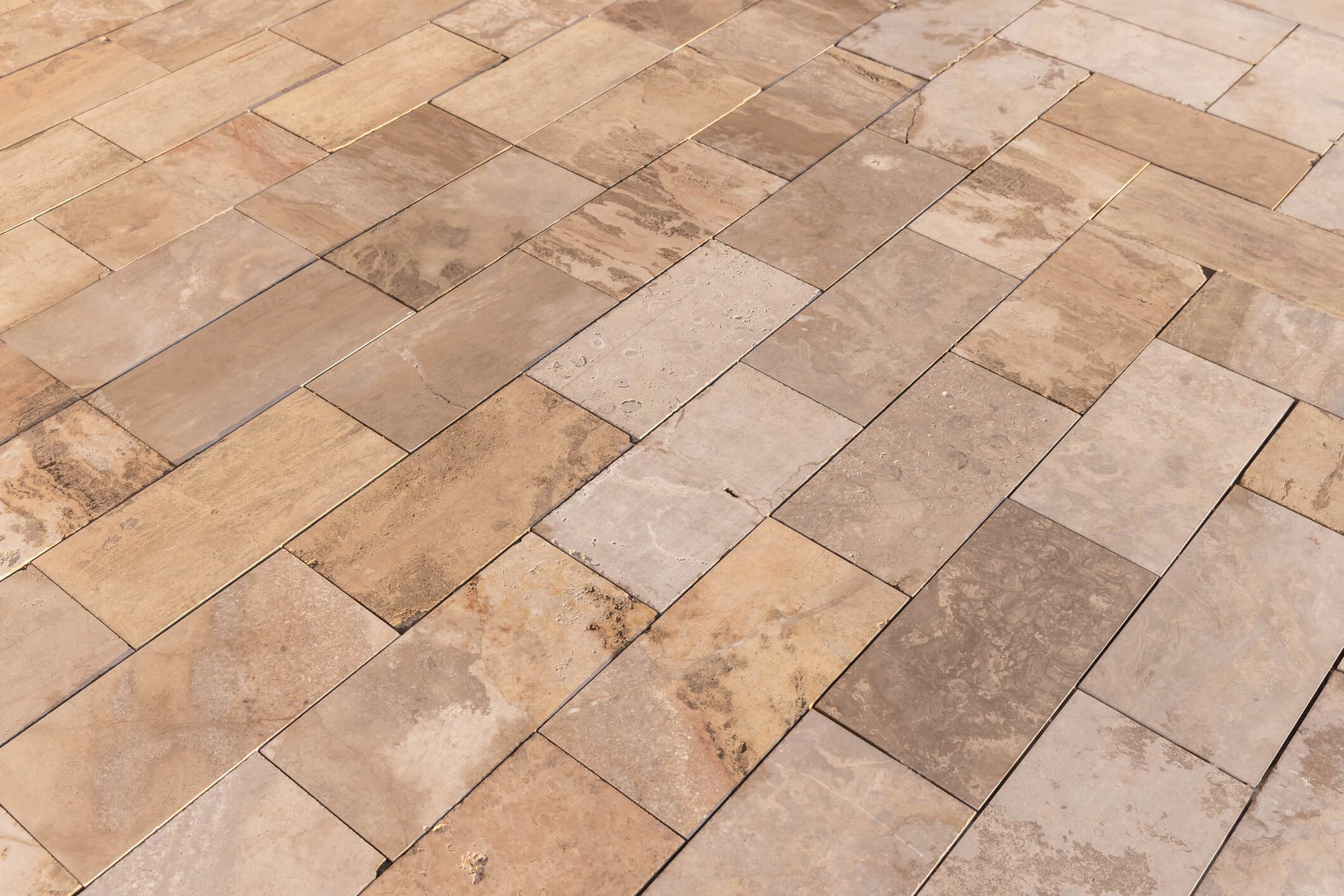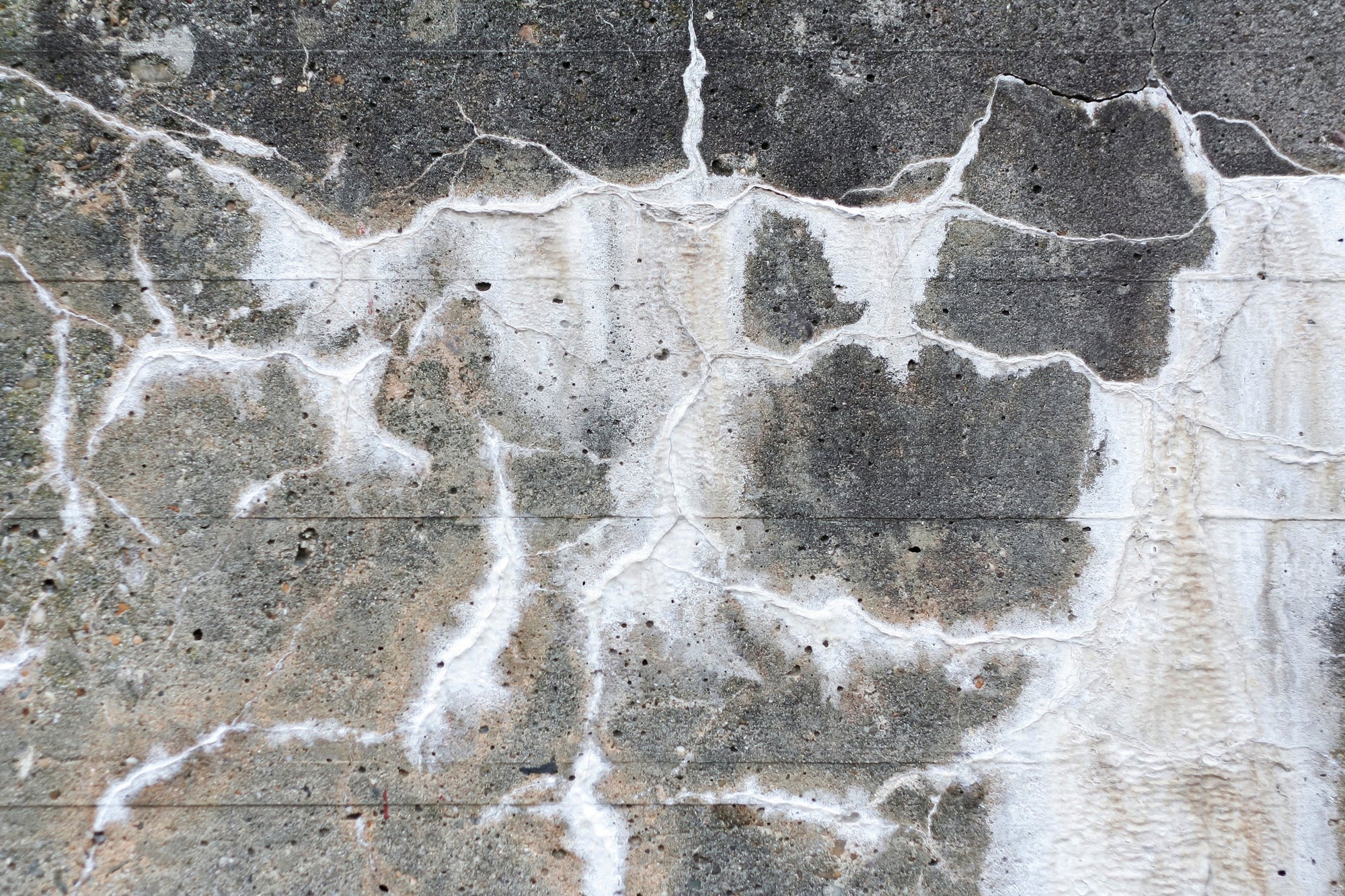

Granite has become an increasingly popular choice for patios and pathways thanks to its modern appearance, exceptional durability and ability to withstand the British weather. Whether you have light grey granite paving or darker contemporary slabs, it's a natural stone that can transform any outdoor space while requiring relatively little maintenance compared to many other paving materials.
However, while granite is renowned for its strength, no outdoor surface is immune to dirt, algae, organic staining and the effects of year-round exposure to the elements. Over time, even premium granite can begin to lose its clean, fresh appearance if regular maintenance is overlooked.
Fortunately, keeping granite looking its best doesn't require hours of hard work. With the right cleaning routine and products, you can restore its appearance safely and help protect it for years to come. In this guide, we'll explain how to clean granite paving properly, common problems to look out for and the best ways to maintain your outdoor stone.
If your granite patio has become dull due to dirt, algae or organic staining, using a specialist cleaner before pressure washing can make the job much quicker and more effective. Take a look at the Stone King Patio Restorer & Cleaner to help restore the appearance of your natural stone surfaces.
Why Granite Is One of the Most Durable Natural Stones
Granite is an igneous rock formed deep beneath the Earth's surface under intense heat and pressure. This natural formation gives it exceptional strength and density, making it one of the hardest natural stones commonly used for outdoor paving.
Its durability is one of the main reasons granite has become such a popular option for homeowners looking to create attractive patios and driveways that will stand the test of time. Unlike some softer natural stones, granite is highly resistant to scratching, weathering and everyday wear, allowing it to maintain its appearance even in busy outdoor environments.
Granite also has a naturally low porosity compared to many other paving materials. This means it's generally less likely to absorb water and staining, helping it cope well with Britain's wet climate. When properly installed and maintained, granite can continue looking attractive for decades.
Despite these advantages, granite isn't completely maintenance-free. Dirt, organic matter and biological growth still collect on the surface over time, gradually reducing its clean appearance. Fortunately, because these contaminants usually remain on the surface rather than penetrating deeply into the stone, routine cleaning is often all that's needed to restore its original look.
What Causes Granite to Lose Its Appearance?
Although granite is extremely durable, it's constantly exposed to changing weather conditions and everyday outdoor use. Gradually, this leads to the build-up of contaminants that can affect both its appearance and safety.
Everyday Dirt and Dust
Foot traffic, garden activities and airborne dust naturally leave behind a thin layer of dirt across the surface. Over time this can make even high-quality granite appear dull, particularly on darker coloured paving where dust becomes more noticeable.
Organic Staining
Leaves, flower petals and other garden debris are among the most common causes of staining on granite patios. As these materials break down, they release natural tannins that can leave brown or dark marks if they remain on the surface for extended periods.
Removing leaves regularly is one of the simplest ways to reduce the likelihood of organic staining developing.
Green Algae
Like most exterior hard surfaces, granite can develop green algae in damp or shaded locations. While granite itself is relatively resistant to staining, algae grows on the surface rather than within the stone, creating a green film that can become slippery when wet.
If left untreated, algae can quickly spread across patios, pathways and driveways, affecting both appearance and safety.
Weather and Pollution
Rainfall, air pollution and general environmental contamination also contribute to the gradual loss of granite's clean finish. Over time, these deposits accumulate on the surface, reducing the crisp appearance that makes granite such an attractive paving material.
Everyday Outdoor Living
Barbecues, outdoor furniture, potted plants and regular family use all contribute to general wear. Muddy footwear, spilled drinks and everyday garden activities inevitably leave their mark, particularly during the wetter months of the year.
Fortunately, most of these issues are straightforward to deal with as part of a regular cleaning routine, preventing them from becoming much more difficult to remove later.
The Best Way to Clean Granite
Cleaning granite doesn't need to be complicated, but using the right approach will help achieve the best results while protecting the stone's natural finish.
Start by sweeping away loose dirt, leaves and other debris so the cleaning product can come into direct contact with the surface. Next, inspect the area for signs of algae, organic staining or any heavily soiled sections that may require additional attention.
Applying a specialist cleaner before pressure washing helps loosen built-up contamination, making the cleaning process significantly easier. For example, Stone King Patio Restorer & Cleaner works by breaking down dirt, grime and organic staining before rinsing, allowing your pressure washer to work more effectively while reducing the amount of effort required.
Once the product has been left to work for the recommended time, lightly pressure wash or rinse the surface to remove loosened contamination. Allow the granite to dry fully before checking whether any isolated areas require a second treatment.
With a simple maintenance routine and the right products, granite can continue looking clean, contemporary and well cared for throughout the year, preserving the premium appearance that makes it such a popular choice for outdoor spaces.
Algae, Black Spot Lichen and Other Common Problems
Although granite is one of the most durable natural stones available, it's still exposed to the same outdoor conditions as any other patio or driveway. Over time, biological growth and environmental contamination can affect its appearance if regular maintenance is overlooked.
Understanding the difference between the most common types of staining will help you choose the right treatment and avoid unnecessary cleaning.
Green Algae
Green algae is one of the most common issues affecting granite patios and pathways, particularly in areas that receive little sunlight or remain damp after rainfall. It often begins as a light green film before gradually spreading across larger sections of the surface.
While algae may initially seem like a cosmetic issue, it can also create slippery conditions that make patios and paths less safe to use, especially during the wetter months.
For this type of contamination, a specialist treatment such as Stone King Algae Remover provides an easy solution. Designed as a spray-and-leave product, it gradually breaks down algae over several days without the need for intensive scrubbing, making it ideal for routine maintenance.
Organic Staining
Organic staining is another common issue that can affect granite. Fallen leaves, flower petals, berries and other natural debris release tannins as they decompose, leaving brown or dark marks across the surface.
These stains are usually more noticeable during autumn but can occur at any time of year if debris is left on the patio for prolonged periods. Regular sweeping and routine cleaning are often enough to prevent these stains from becoming established.
Black Spot Lichen
Black spot lichen is often confused with ordinary dirt because it appears as small black spots scattered across natural stone. Unlike surface-level staining, however, lichen establishes itself deep within the stone and is extremely resistant to pressure washing alone.
If black spots remain after thoroughly cleaning your granite patio, there's a good chance you're dealing with black spot lichen rather than general dirt.
In these situations, a dedicated treatment such as Patio Black Spot Remover for Natural Stone is specifically formulated to tackle this stubborn type of biological growth.
Once the lichen has been successfully removed, applying Patio Black Spot Preventer as part of your ongoing maintenance routine will stop it returning, keeping your granite looking cleaner for longer.
By recognising the difference between algae, organic staining and black spot lichen, you can choose the most effective treatment while avoiding unnecessary time and effort.
Common Mistakes to Avoid
Granite is incredibly resilient, but following good maintenance practices will help preserve its appearance for years to come.
Using Harsh Cleaning Chemicals
Although granite is a strong natural stone, using unnecessarily harsh or unsuitable chemicals can affect both the stone and any protective seal that may have been applied. Choosing products designed specifically for outdoor hard surfaces is generally the safest approach.
Relying Solely on Pressure Washing
Pressure washing is excellent for rinsing away loosened dirt, but relying on water pressure alone often means working much harder than necessary. Allowing a specialist cleaner to break down dirt and organic staining first will produce better results while reducing cleaning time.
Leaving Algae Untreated
Small patches of algae can spread surprisingly quickly, particularly in damp gardens. Treating algae early helps maintain both the appearance and safety of your patio while preventing larger cleaning jobs later.
Allowing Debris to Accumulate
Leaves, soil and garden debris don't just make granite look untidy. Left in place, they can contribute to staining and encourage biological growth. Regular sweeping is one of the simplest ways to protect your paving.
Cleaning Too Infrequently
Many homeowners only clean their granite when it begins to look noticeably dirty. Carrying out a light clean once or twice a year is usually enough to prevent stubborn contamination from building up in the first place.
How to Keep Granite Looking Its Best
One of granite's biggest advantages is that it requires relatively little maintenance, but a few simple habits can help keep it looking as good as the day it was installed.
Sweep the surface regularly to remove dirt, leaves and other debris before they have an opportunity to stain the stone. During autumn, removing fallen leaves promptly can significantly reduce the risk of organic staining developing.
If algae begins to appear, treating it early will usually be much quicker and easier than waiting until larger areas become affected. Likewise, carrying out a thorough clean once or twice a year helps remove accumulated dirt before it dulls the natural finish of the stone.
For larger patios, pathways or driveways, applying cleaning products evenly can save both time and effort. A Hozelock 7L Pressure Sprayer provides consistent coverage across large surfaces, helping specialist cleaning products work effectively while reducing unnecessary product waste.
By combining regular maintenance with the right cleaning products, your granite paving can continue to provide an attractive, low-maintenance outdoor surface for many years.
Final Thoughts
Granite is one of the toughest and most attractive natural stones available for outdoor paving, offering excellent durability alongside a timeless appearance. While it naturally resists many of the issues that affect other materials, regular maintenance is still the key to preserving its clean, contemporary finish.
By removing dirt and debris regularly, treating algae before it spreads and using specialist products when needed, you can keep your granite patio or driveway looking its best throughout every season.
Whether you're carrying out routine maintenance or restoring a patio that's lost its original appearance, the right products can help you achieve better results with less effort. Explore the full Stone King range of specialist cleaners, algae treatments and application equipment to keep your granite looking clean, safe and well maintained all year round.