
Travertine is one of the most sought-after natural stones for patios, pathways and outdoor entertaining areas. Its distinctive appearance, warm tones and timeless character make it a popular choice for homeowners looking to create an elegant outdoor space that complements both traditional and contemporary properties.
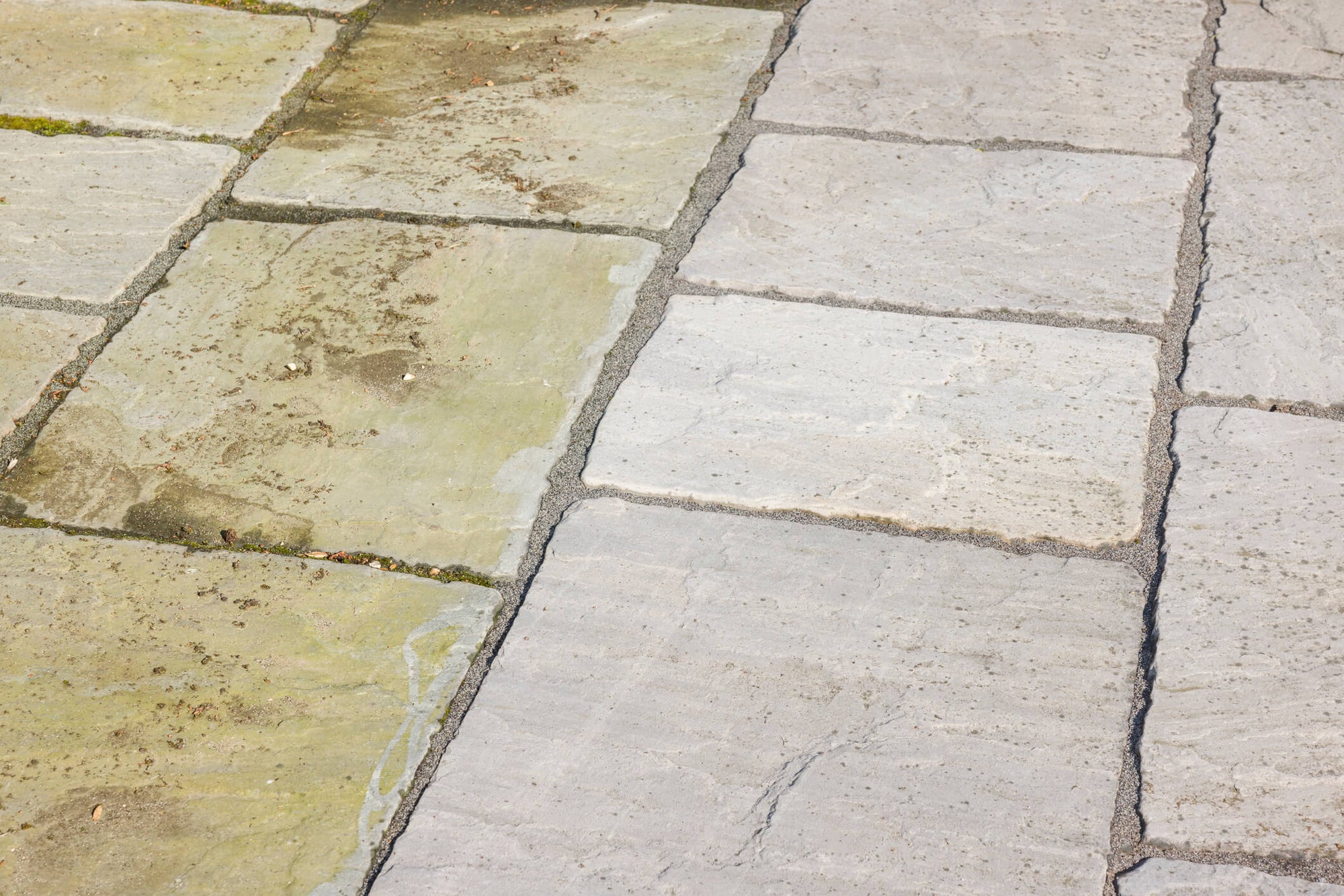
Although travertine is known for being durable and relatively easy to maintain, it still needs regular care to preserve its appearance. Exposure to the elements means dirt, algae, leaf staining and other organic matter gradually build up on the surface, leaving patios looking dull and, in some cases, becoming slippery underfoot.
The good news is that with the right cleaning routine and maintenance, it's easy to keep travertine looking clean, attractive and ready to enjoy throughout the year. In this guide, we'll explain how to clean outdoor travertine safely, the mistakes to avoid and the best ways to protect your investment for years to come.
If your travertine patio has lost its original appearance due to dirt, algae or organic staining, using a specialist cleaner before pressure washing can make maintenance much easier. Discover the Stone King Patio Restorer & Cleaner for an effective way to refresh natural stone surfaces.
Why Travertine Needs Special Care
Travertine is a natural limestone that has been used in construction for thousands of years. Its unique texture and subtle variations in colour give every patio a distinctive appearance that manufactured paving simply can't replicate.
Unlike porcelain or concrete, however, travertine is naturally porous. While many outdoor travertine tiles are sealed during installation, the stone can still be affected by the build-up of dirt, organic staining and biological growth if it isn't maintained regularly.
Because of its natural composition, it's important to clean travertine using methods that remove contamination without unnecessarily damaging the surface. Harsh chemicals or overly aggressive cleaning techniques may not only reduce the stone's visual appeal but could also shorten the lifespan of any protective seal that's been applied.
Fortunately, keeping travertine in excellent condition doesn't require complicated maintenance. A gentle but consistent cleaning routine is usually all that's needed to preserve its natural beauty.
What Causes Travertine to Look Dirty?
Even a newly installed travertine patio will gradually collect dirt and organic matter simply through normal outdoor use. Understanding what causes these changes can help you deal with problems before they become more difficult to remove.
Everyday Dirt and Dust
Over time, dust, soil and general debris settle onto the surface of the stone. Foot traffic, garden furniture and everyday outdoor activities gradually contribute to this build-up, causing the patio to lose some of its natural brightness.
Although these deposits may appear insignificant at first, they can accumulate surprisingly quickly if left untreated.
Organic Staining
One of the most common issues affecting travertine is organic staining. Fallen leaves, flower petals, berries and other garden debris release natural tannins as they decompose, often leaving brown or dark marks across the surface.
These stains are particularly common during autumn but can occur at any time of year if organic matter is allowed to remain on the patio for prolonged periods.
Green Algae
Algae is another frequent problem, especially in shaded gardens or areas that remain damp after rainfall. It often begins as a thin green film before spreading across larger sections of the patio.
Aside from affecting the appearance of the stone, algae can also create slippery conditions that make outdoor surfaces less safe to use.
Weather and Moisture
Travertine is exposed to the changing seasons throughout the year. Rain, frost, fallen leaves and prolonged damp weather all contribute to the gradual accumulation of dirt and organic contamination.
Patios that receive little direct sunlight often stay damp for longer, creating ideal conditions for algae and other biological growth to develop.
Outdoor Living
Barbecues, outdoor dining, potted plants and everyday family life all play a part in how your patio ages. Muddy footprints, spilled drinks and general use can all leave marks that become more noticeable if regular cleaning is overlooked.
The good news is that these issues are usually straightforward to manage with routine maintenance, helping your travertine retain its attractive, natural appearance throughout the year.
How to Clean Travertine Safely
Cleaning travertine doesn't need to be difficult, but taking the right approach can make a significant difference to the final result.
Start by removing loose dirt, leaves and debris using a stiff brush or broom. This allows the cleaning product to come into direct contact with the stone rather than sitting on top of surface debris.
Next, inspect the patio for signs of algae, organic staining or areas that may require additional attention. Applying a specialist cleaner before pressure washing helps loosen contamination, making the cleaning process more effective while reducing the amount of pressure required.
For example, Stone King Patio Restorer & Cleaner has been developed to break down dirt, grime and organic staining on natural stone surfaces before rinsing. By allowing the product time to work, pressure washing becomes quicker and requires less effort, helping reveal the natural beauty of the travertine beneath.
Once the recommended application time has passed, lightly rinse or pressure wash the surface to remove loosened dirt and allow the patio to dry completely before assessing whether any areas require further treatment.
With the right products and a regular maintenance routine, keeping travertine looking clean and well cared for becomes a straightforward part of looking after your outdoor space.
Algae, Black Spot Lichen and Other Common Problems
Not every mark or stain on a travertine patio has the same cause, so identifying what's affecting the surface is an important part of choosing the right cleaning method. While some issues can be resolved with routine maintenance, others require a more specialised approach.
Green Algae
Green algae is one of the most common problems found on outdoor travertine. It usually develops in damp, shaded areas where moisture remains on the surface for extended periods. At first it may only appear as a light green film, but if left untreated it can spread quickly across the patio.
As well as making your travertine look neglected, algae can create slippery conditions that make patios and pathways less safe to use, particularly during autumn and winter.
For this type of growth, a dedicated treatment such as Stone King Algae Remover offers a simple solution. Designed as a spray-and-leave treatment, it gradually breaks down algae over several days, helping to restore the appearance of your patio without the need for aggressive scrubbing.
Organic Staining
Organic staining is another issue regularly seen on natural stone. Leaves, berries, flower petals and other garden debris contain natural tannins which can leave dark or brown stains if they remain on the surface for too long.
Regular sweeping and routine cleaning can usually prevent these stains from becoming established, making ongoing maintenance much easier.
Black Spot Lichen
Black spot lichen is often mistaken for ordinary dirt because it appears as small black spots across the surface of natural stone. In reality, it's a living organism that penetrates the pores of the stone, making it much more difficult to remove than surface-level staining.
Unlike algae, black spot lichen is highly resistant to pressure washing alone. If you've cleaned your travertine thoroughly but stubborn black spots remain, it's likely that you're dealing with lichen rather than ordinary dirt.
In these situations, a specialist product such as Patio Black Spot Remover for Natural Stone is specifically formulated to tackle this type of contamination on natural stone surfaces.
Once black spot lichen has been removed, it's also worth considering ongoing protection. Applying Patio Black Spot Preventer as part of your maintenance routine may help reduce the likelihood of black spot returning, keeping your travertine looking cleaner for longer.
Understanding the difference between algae, organic staining and black spot lichen allows you to choose the most appropriate treatment while avoiding unnecessary cleaning effort.
Common Mistakes to Avoid
Travertine is a durable natural stone, but avoiding a few common mistakes will help preserve its appearance and extend its lifespan.
Using Harsh Acidic Cleaners
Travertine is a limestone-based material, meaning acidic cleaning products can damage the surface and cause orange staining. Always use products that are suitable for natural stone and follow the manufacturer's instructions.
Using Excessive Pressure
While pressure washers are useful for rinsing away loosened dirt, using excessive pressure too close to the surface can damage the stone or reduce the effectiveness of any protective seal.
Allow the cleaning product to do the hard work first, then use moderate pressure to rinse the patio clean.
Ignoring Algae
Many homeowners leave algae until it has spread across the entire patio. Treating algae early is usually much quicker, easier and helps prevent slippery surfaces from developing.
Leaving Organic Debris on the Patio
Leaves, flower petals and garden debris are among the leading causes of staining on travertine. Removing them regularly is one of the simplest ways to keep your patio looking its best.
Forgetting Routine Maintenance
Travertine doesn't require constant attention, but leaving it untouched for several years often means dirt and biological growth become much more difficult to remove. A simple annual clean can prevent much larger restoration projects later.
How to Keep Travertine Looking Its Best All Year Round
Looking after travertine is largely about consistency rather than intensive cleaning.
Sweeping the patio regularly helps prevent dirt and leaves from accumulating, while promptly removing garden debris reduces the likelihood of organic staining developing.
If you notice algae beginning to form, treating it early is far easier than waiting until it has spread across larger areas. Similarly, carrying out a thorough clean once or twice a year helps prevent dirt and grime becoming deeply embedded within the stone's natural texture.
Where recommended by the installer, periodically resealing your travertine can also help protect the surface and make future cleaning easier.
For larger patios or outdoor entertaining spaces, applying cleaning products evenly can save considerable time. Using a Hozelock 7L Pressure Sprayer allows treatments to be distributed consistently across the surface, helping products work effectively while reducing unnecessary waste.
By combining regular maintenance with specialist cleaning products, your travertine patio can continue to provide an attractive focal point for your garden for many years to come.
Final Thoughts
Travertine is a beautiful natural stone that brings character and elegance to any outdoor space. With regular maintenance and the right cleaning approach, it's easy to preserve its appearance while preventing common issues such as algae, organic staining and black spot lichen from becoming established.
Taking action early, using products designed specifically for natural stone and maintaining a simple cleaning routine will not only keep your patio looking its best but also make future maintenance quicker and easier.
Whether you're refreshing your travertine after winter or carrying out routine maintenance throughout the year, the right products can help you achieve professional-looking results with less effort. Explore the full Stone King range of specialist cleaners, black spot treatments and application equipment to keep your natural stone looking its very best.