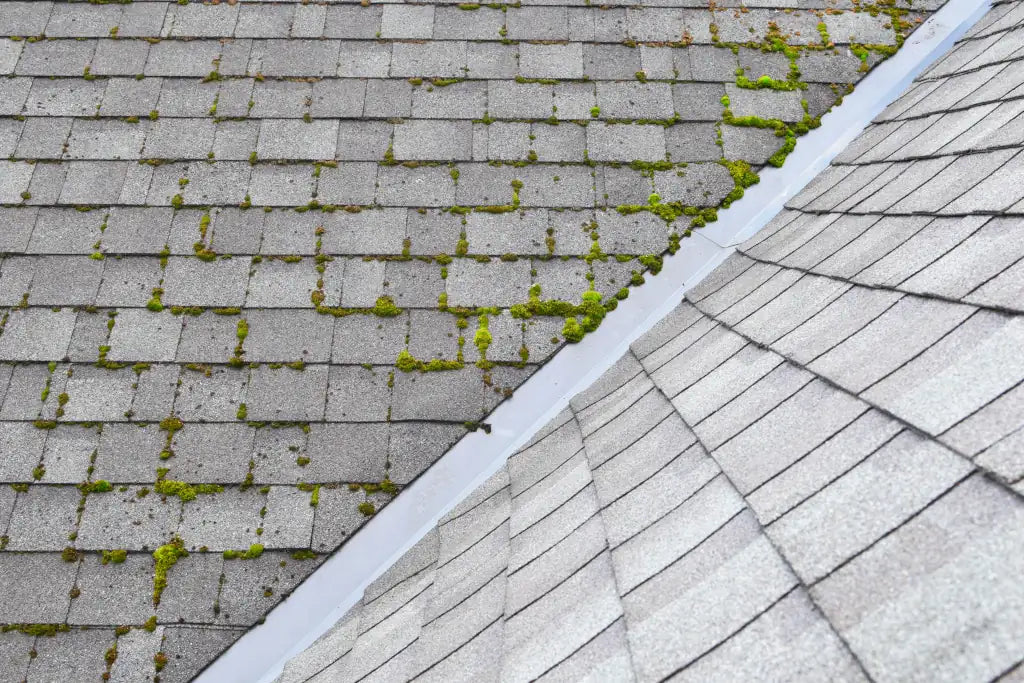

As the days become darker and outdoor surfaces stay wetter for longer, moss quickly becomes a common problem around the home. Patios that looked clean in summer begin to turn green. Paths feel damp underfoot. Steps and shaded corners develop thick patches that seem to appear almost overnight.
When this happens, most homeowners ask the same question: how do you remove moss properly, and keep outdoor surfaces safe?
Removing moss effectively starts with understanding why it grows and why it becomes such a problem during the colder months.
Why Moss Grows on Hard Surfaces
Moss thrives in damp, shaded environments. When patios and paths receive less sunlight during autumn and winter, moisture lingers on the surface for longer periods. If drainage is poor or water regularly pools in certain areas, conditions become ideal for moss to establish itself.
Unlike most plants, moss does not have roots. It does not rely on soil beneath paving for nutrients. Instead, it absorbs water and nutrients directly from rain and moisture in the air. This allows it to grow on almost any hard surface, stone, concrete, brickwork, artificial grass, roof tiles, and even sports courts.
Airborne spores are constantly present in the environment. Once they settle on a surface that remains damp long enough, growth begins. During warmer months, sunlight and faster evaporation help control this process. As winter approaches, reduced daylight and frequent rainfall create the perfect environment for moss and algae to spread more quickly.
Why Moss Makes Patios Slippery
Moss is not just an aesthetic issue. It presents a genuine safety concern.
Acting like a sponge, moss absorbs and retains water. Even after rain has stopped, the surface beneath can remain damp. This trapped moisture reduces natural grip, particularly on smoother paving materials. In colder weather, lingering moisture can also contribute to icy patches forming more easily.
Moss rarely appears alone. Green algae often develop alongside it, forming a thin film across the surface. This film can be difficult to see but becomes extremely slippery when wet. Many homeowners only realise there is a problem when their patio suddenly feels slick underfoot.
Steps, slopes, and high-traffic paths are particularly vulnerable. Removing moss is therefore about more than improving appearance, it is about preventing slips and maintaining safe outdoor spaces.
How to Remove Moss Effectively
When considering how to remove moss, there are a few common approaches. Each has advantages and limitations, and choosing the right method depends on the severity of growth and the surface involved.
Pressure Washing
Pressure washing is often the first solution people consider. It can remove visible moss and surface dirt quickly, delivering immediate visual improvement.
However, it can also be time-consuming and messy. Dirty water frequently splashes onto surrounding walls, windows, and garden features. More importantly, excessive pressure can damage certain types of paving over time, particularly softer natural stone.
High-pressure cleaning may remove what is visible, but it does not always eliminate the microscopic spores that lead to regrowth. Without addressing the underlying moisture conditions, moss can return relatively quickly.
Used carefully and occasionally, pressure washing can help restore appearance, but it is rarely the most efficient long-term strategy on its own.
Manual Brushing and Scraping
Another option is physically removing moss using a stiff brush or scraper. This can be effective for clearing thicker patches, especially in joints between slabs.
The drawback is that it is labour-intensive and often only tackles the surface growth. It does not treat the invisible spores left behind. As a result, regrowth is common unless additional preventative measures are taken.
Manual removal is often best used in combination with a treatment that deals with what remains after scraping.
Spray-and-Leave Treatments
A spray-and-leave moss remover offers a different approach. Rather than relying on force, these treatments work gradually to break down moss at a cellular level.
Once applied, the solution begins weakening the moss. Green algae typically start to fade within a few days. Moss then begins to brown and dry out over the following week. Rain and natural weathering gradually wash away the dead material.
Because this method works over time, it avoids the mess associated with pressure washing and reduces the risk of damaging the surface. It also reaches textured areas and tight joints that are difficult to clean manually.
For many homeowners, this lower-effort, longer-lasting method provides a safer and more practical way to remove moss from patios, paths, and other outdoor surfaces.
What to Expect After Treatment
Moss removal is rarely instant. With a suitable treatment, visible improvements happen gradually. Algae may disappear within days, while moss typically begins to brown within three to seven days depending on weather conditions and thickness of growth.
The gradual breakdown is often beneficial. It allows the surface to recover without the shock of aggressive cleaning and reduces the likelihood of damage.
Patios, driveways, brickwork, artificial grass, and even sports surfaces can be treated effectively using the right product for the material involved.
Removing moss successfully means more than clearing away green patches. It involves understanding how it grows, choosing the correct method, and taking a measured approach that protects both the surface and the safety of those using it.
Even after moss has been removed successfully, it is common for homeowners to notice it gradually returning. This does not mean the treatment failed. Moss spores are always present in the air, and as soon as the right conditions return, growth can begin again.
Moisture is the main trigger. If a patio or path remains damp for long periods, particularly in shaded areas, moss will eventually re-establish itself. Poor drainage, compacted joints, heavy leaf fall, and restricted airflow all contribute to surfaces staying wetter for longer than they should.
Understanding this cycle is key. Removing moss deals with the visible problem. Managing moisture and environment prevents it from coming back.
How to Stop Moss Growing
Preventing moss growth is largely about reducing the conditions it depends on.
One of the most important steps is improving drainage. Water should not sit on patios or paths after rainfall. Even small areas of pooling can provide enough moisture for spores to settle and develop. Ensuring paving has a slight fall so that water drains away naturally makes a significant difference. Keeping joints properly filled and clear also helps prevent water from collecting between slabs.
Increasing sunlight exposure is another effective measure. Moss thrives in cool, shaded areas. Cutting back overhanging trees and hedges allows more natural light to reach hard surfaces, helping them dry more quickly after rain. Improved airflow further reduces lingering dampness, making the environment less suitable for moss to take hold.
Regularly removing organic debris is equally important. Leaves, soil, and garden waste trap moisture against paving. When this material breaks down, it also provides nutrients that encourage growth. Sweeping patios and paths routinely prevents this damp layer from forming and denies moss the environment it needs.
Applying a preventative spray-and-leave treatment during wetter months can also help. Rather than waiting for thick moss patches to develop, a preventative application limits regrowth at an early stage. This reduces the need for heavy cleaning later and keeps surfaces safer throughout the winter.
Treating Moss on Artificial Grass and Other Surfaces
Moss does not only grow on natural stone patios. Artificial grass, driveways, brickwork, and sports surfaces such as tennis courts can also be affected.
Artificial grass is particularly vulnerable in shaded gardens. While the fibres themselves do not absorb water like stone, debris and compacted areas beneath the surface can hold moisture. Moss often develops along edges, in corners, or in areas where airflow is restricted.
A suitable moss treatment can be applied directly to artificial grass. Within a few days, the moss typically begins to brown and dry out. Natural weathering gradually breaks it down further. Light brushing afterwards helps restore the appearance of the fibres and improves airflow, reducing the likelihood of recurrence.
Sports surfaces benefit from the same approach. Moss and algae reduce grip, increasing the risk of slips during wet conditions. Regular inspection and preventative treatment help maintain both safety and performance.
Why Patios Feel Slippery in Winter
Many homeowners first notice moss because their patio becomes slippery. However, the slippery feeling often begins before thick moss is visible.
Green algae form a thin film across damp surfaces, particularly during autumn and winter. This film can be almost invisible but significantly reduces traction when wet. Combined with moss and lichen, it creates a slick layer that increases the risk of slips on steps, slopes, and high-traffic areas.
Lower temperatures slow evaporation, meaning patios remain damp for longer after rainfall. Even light moisture can reactivate organic growth and restore that slippery surface.
Addressing moss and algae early in the season prevents surfaces from reaching this hazardous stage.
A Practical Maintenance Approach
Rather than relying on occasional heavy cleaning, a consistent and measured approach delivers better long-term results.
Applying a preventative treatment in early autumn prepares patios and paths for the wetter months ahead. Monitoring shaded areas during winter allows small patches of growth to be treated before they spread. In spring, a light refresh removes any remaining residue and restores the surface’s natural appearance.
Avoiding excessive pressure washing is also important. While it can improve appearance quickly, repeated high-pressure cleaning may weaken some surfaces over time. Consistency and prevention are more effective than force.
Why Moss Is So Resilient
Moss belongs to the plant classification Bryophyta and is one of the oldest plant groups on Earth. It has evolved to survive in challenging environments, which explains why it can feel so persistent around the home.
Unlike most plants, moss does not rely on roots. It absorbs moisture and nutrients directly from its surroundings. This allows it to grow on stone, brick, roof tiles, and other hard surfaces with minimal requirements.
Moss can survive in extreme climates. Some species endure intense heat, while others withstand freezing conditions in mountainous regions. During drought or extreme cold, moss can enter a dormant state. Once moisture returns, it rehydrates and resumes growth.
Its sponge-like structure allows it to retain significant amounts of water. On roof tiles, this moisture retention can contribute to damage during freezing conditions, as trapped water expands and places stress on the surface.
These characteristics highlight why moisture management is central to controlling moss. Removal is important but reducing dampness and limiting favourable conditions provide longer-lasting protection.
A Smarter Way to Remove Moss
Successfully removing moss is not about a single clean. It is about understanding how it grows, choosing an appropriate method, and maintaining surfaces consistently.
Pressure washing may offer quick visual improvement, but a more balanced approach often delivers longer-lasting results. Spray-and-leave treatments work gradually and safely. Improving drainage, increasing sunlight, and removing debris reduce the conditions that encourage regrowth.
When these measures are combined, moss becomes manageable rather than frustrating.
With the right approach, patios, paths, artificial grass, and other outdoor surfaces can remain cleaner, safer, and more visually appealing throughout the year, even during the wettest months.